

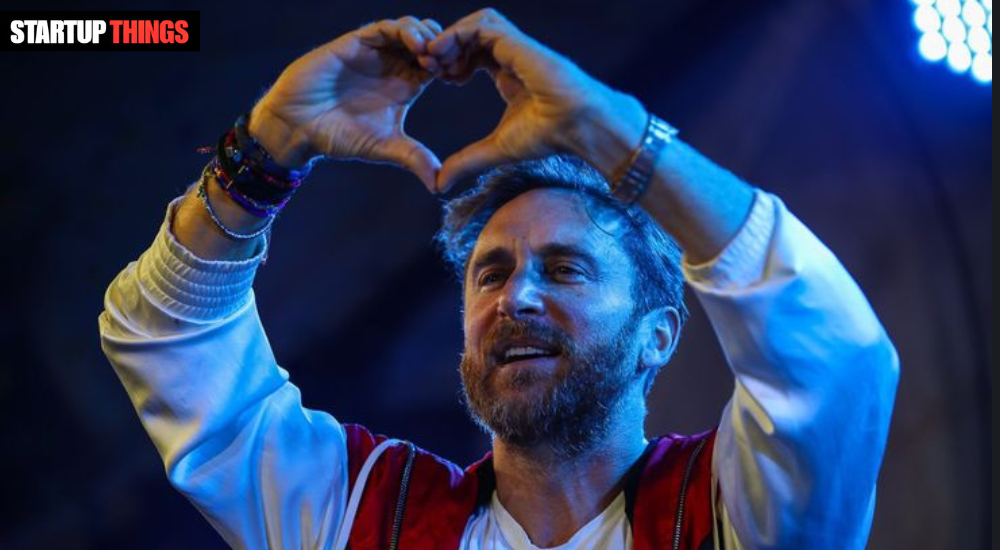

David Guetta turned a simple French house sound into a global empire, with an estimated net worth of $200 million in 2026. The man behind “Titanium,” “I’m Good (Blue),” and dozens of chart-topping collaborations has mastered the art of making dance music accessible to the masses while building multiple revenue streams that keep his fortune growing year after year.
Quick Facts Box
| Category | Details |
| Full Name | Pierre David Guetta |
| Born | November 7, 1967 (age 58) |
| Net Worth (2026) | $200 million |
| Annual Earnings | $20–40 million |
| Breakthrough Hit | “Titanium” feat. Sia (2011) |
| Major Income Sources | Touring, streaming royalties, catalog sale, brand deals, residencies |
| Notable Achievement | Multiple #1 DJ rankings, Grammy Award winner, and more than 30 billion Spotify streams. |
David Guetta’s Rise from Club DJ to Global Superstar
David Guetta began his career in the underground clubs of Paris in the early 1980s. At just 17, he was already spinning records and building a reputation among French house music enthusiasts. For nearly two decades he remained largely a European phenomenon, releasing albums that performed well in clubs but rarely crossed over to mainstream radio.
Everything changed in the late 2000s. Guetta’s 2007 album Pop Life introduced him to a wider audience, but it was 2009’s One Love and the massive success of “When Love Takes Over” with Kelly Rowland that signaled his arrival as an international force. By 2011, with the release of Nothing but the Beat, he had fully transitioned from respected club DJ to global pop star.
The Role of “Titanium” in His Breakthrough
How That Hit Changed Everything
“Titanium,” featuring Sia’s powerful vocals, became the song that defined Guetta’s commercial peak. Released in 2011, it combined an anthemic melody with a driving electronic beat that appealed to both dance floors and pop radio. The track spent weeks at the top of charts worldwide and has since accumulated billions of streams.
The success of “Titanium” did more than sell records — it validated Guetta’s approach of blending pop songwriting with dance production. Suddenly, major pop artists wanted to work with him. This single song opened doors that transformed his career from successful DJ to hit-making machine capable of commanding seven-figure fees per performance.
Building a Music Empire Through Hits and Collaborations
Guetta’s genius lies in his ability to collaborate across genres while maintaining a signature sound. After “Titanium,” he worked with everyone from Usher and Nicki Minaj to Sia (multiple times), Justin Bieber, and more recently artists like Bebe Rexha, Anne-Marie, and even country-pop crossovers.
Each collaboration expanded his audience and revenue streams. Rather than staying locked in one lane, Guetta became the go-to producer for artists wanting dance-floor energy without sacrificing mainstream appeal. This strategy turned him into one of the most commercially successful electronic artists of all time, with over 65 million singles sold globally.
Net Worth Breakdown: Music, Tours, and Brands
Guetta’s $200 million fortune comes from multiple sources that reinforce one another. Touring remains his biggest earner, with headline slots at major festivals (Tomorrowland, Ultra, EDC) and lucrative Las Vegas residencies commanding premium fees. In peak years he has earned $30–40 million annually from live performances alone.
Streaming royalties provide steady passive income, especially from catalog hits that continue performing years after release. In 2021, he sold his recorded music catalog for an estimated $100–150 million, locking in significant wealth while retaining rights to future work.
Brand partnerships and merchandise add further layers. From headphone deals to fashion collaborations and his own record labels, Guetta has built a diversified business that protects against the natural ups and downs of the music industry.
His Influence on Modern Dance Music
Guetta played a pivotal role in bringing electronic dance music into the pop mainstream. Before his breakthrough, EDM was often seen as niche or underground. His radio-friendly productions proved that dance music could dominate global charts while still feeling authentic to club culture.
His formula — big drops, soaring vocals, and instantly memorable hooks — has been widely imitated by a generation of producers. While some critics argue this mainstreaming diluted the genre’s edge, there’s no denying that Guetta helped create the infrastructure and audience that allows today’s electronic artists to thrive at stadium scale.
Las Vegas Residencies and Festival Dominance
Few artists have dominated the live electronic space like Guetta. His Las Vegas residencies have consistently ranked among the highest-grossing in the city, drawing thousands of fans weekly during peak seasons. These extended runs deliver consistent, high-margin income while keeping him visible to American audiences.
Festival appearances further cement his status. Whether headlining Tomorrowland’s main stage or closing Ultra Miami, Guetta delivers the kind of high-energy sets that justify top billing. His ability to read crowds and deliver consistent performances across continents has made him a reliable draw for promoters worldwide.
Current Ventures and 2026 Outlook
In 2026, Guetta shows no signs of slowing down. He continues releasing new music, including recent collaborations like “Beautiful People” with Sia, while maintaining an aggressive touring schedule. His willingness to experiment with new sounds while staying true to his core style has kept him relevant across multiple generations of dance music fans.
Future projects likely include expanded label work, potential new residencies, and continued cross-genre collaborations. At 58, he has already outlasted most of his contemporaries, proving that smart business decisions and musical adaptability can create careers that span decades.
Lessons on Longevity in the Music Industry
Guetta’s career offers valuable lessons for anyone building a creative business:
- Adapt without abandoning your core. He evolved his sound while keeping the high-energy, uplifting DNA that fans love.
- Diversify revenue early. Relying on one income stream is dangerous in an unpredictable industry.
- Build partnerships strategically. Collaborations with pop stars expanded his audience without diluting his brand.
- Treat your catalog as an asset. The 2021 sale demonstrated the long-term value of owning your masters.
- Invest in live experiences. Touring and residencies provide both income and direct fan connection that streaming alone cannot replicate.
These principles have allowed him to remain at the top of his field well into his 50s.
How Innovation Keeps His Sound Relevant
Guetta has never been afraid to incorporate new production techniques or work with emerging artists. From early experiments with future house to recent forays into more melodic and vocal-driven tracks, he continues evolving. This willingness to stay current while honoring his roots has prevented the creative stagnation that ends many long careers.
His recent work shows a producer still excited about making music rather than simply cashing in on past success. That genuine enthusiasm translates to audiences and keeps his brand vibrant.
Impact on the Next Generation of Producers
Countless young producers cite Guetta as an influence, not just for his sound but for his business model. He showed that electronic artists could achieve pop-level success and build sustainable empires without compromising their roots. His willingness to mentor and collaborate with newer talent has helped shape the current landscape of dance music.
Many of today’s biggest names in EDM and pop production learned from watching how Guetta balanced artistic output with commercial strategy. His blueprint remains relevant for anyone hoping to turn passion into lasting wealth.
The Business Side of Being a Hitmaker
Beyond the music, Guetta operates like a CEO. He owns multiple labels, manages a large team, and makes calculated decisions about where to invest time and resources. This business mindset separates him from many talented producers who never achieve the same level of financial success.
His ability to negotiate major deals, protect his catalog, and build long-term assets demonstrates that artistic success and business acumen are not mutually exclusive. In 2026, that combination continues paying dividends.
Why His Fortune Continues to Grow
David Guetta’s wealth keeps expanding because he treats his career as a business that requires constant investment and adaptation. Even after selling his catalog, he generates substantial new income through touring, fresh releases, and strategic partnerships. His brand remains strong, his audience loyal, and his work ethic unchanged after more than four decades in the industry.
The numbers don’t lie: consistent output, smart business decisions, and an ability to stay culturally relevant have created one of the most durable fortunes in modern music. At 58, Guetta shows no signs of slowing down — and every indication that his empire will continue growing for years to come.
