

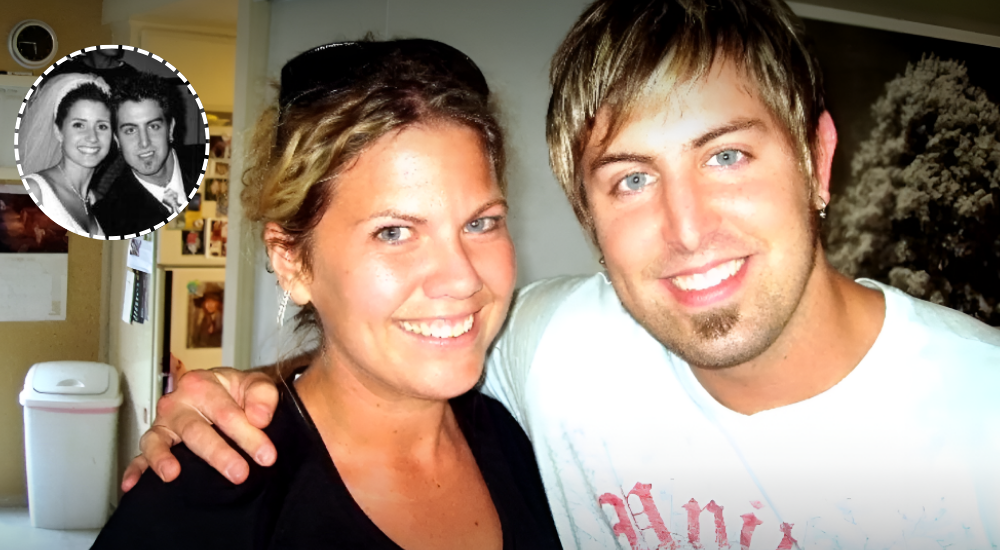

In the face of devastating news, Melissa Henning-Camp chose worship instead of despair. Diagnosed with ovarian cancer just months after her wedding to rising Christian artist Jeremy Camp, she clung to faith with a tenacity that would later inspire one of the most beloved worship songs of the 21st century. Her story is not merely one of tragedy but of radiant courage that continues to echo through churches, cancer wards, and hearts worldwide in 2026.
Quick Facts Box
| Category | Details |
| Full Name | Melissa Lynn Henning-Camp |
| Birth – Death | 1981 – February 5, 2001 (age 21) |
| Marriage | Married Jeremy Camp on October 21, 2000 |
| Diagnosis | Ovarian cancer, diagnosed shortly after honeymoon |
| Legacy Song | “I Still Believe” (written by Jeremy Camp) |
| Movie Adaptation | I Still Believe (2020 feature film) |
| Known For | Unwavering faith, joyful testimony during illness |
| Impact | Continues to inspire cancer patients and believers globally |
Melissa’s Story of Unwavering Strength
Melissa Henning-Camp entered marriage with the bright hopes of any young bride. Just weeks after her honeymoon, she received the crushing diagnosis of ovarian cancer. Instead of retreating into fear, she responded with a depth of faith that stunned everyone around her. Even as treatments took their toll, Melissa chose to worship, to laugh, and to point others toward Jesus.
Her strength was not loud or dramatic. It was quiet, consistent, and deeply rooted. Friends and family later described how she would sing hymns in hospital rooms and encourage nurses who cared for her. In the midst of pain that most people her age could not imagine, Melissa modeled a peace that defied circumstances. That peace became the seed for the song that would carry her testimony far beyond her short life.
The Faith That Fueled Her Journey
Values That Defined Her Character
Melissa’s faith was not a Sunday accessory. It was the core of her identity. She believed Scripture with childlike trust and lived it with adult courage. Three values stood out most clearly in her final months:
- Joy in suffering — She refused to let cancer steal her smile or her songs.
- Trust in God’s goodness — Even when healing did not come, she declared that God remained good.
- Love for people — She used her hospital stays to minister to doctors, nurses, and fellow patients.
These values were not abstract. They showed up in handwritten notes to family, in late-night conversations with Jeremy, and in the way she prepared her heart for whatever lay ahead. Her faith was tested in the fire, and it emerged refined rather than destroyed.
How Her Courage Inspired a Landmark Song
Jeremy Camp has often said that “I Still Believe” was born in the hospital room where Melissa lay fighting for her life. Watching his wife worship through pain moved him to write the lyrics that have since comforted millions: “I still believe in Your faithfulness… I still believe in Your truth.”
The song was not written after her passing as a memorial. It was written while she was still alive, as a declaration of faith they both held. Melissa heard the song and loved it. She knew it would outlive her. In many ways, the track became her final gift to the Church — a testimony set to melody that continues to minister decades later.
The Lasting Impact on Worship Music
Messages of Hope That Resonate Worldwide
“I Still Believe” quickly became more than a hit single. It became an anthem for anyone walking through darkness. Churches around the globe have sung it during seasons of loss, illness, and uncertainty. The song’s simple, powerful chorus cuts through theological complexity and lands directly on the heart: faith is not the absence of pain but the decision to trust God in the middle of it.
The 2020 feature film I Still Believe introduced Melissa’s story to a new generation. While dramatized for the screen, the movie faithfully captured the essence of her courage and the love she shared with Jeremy. Viewers who had never heard the original testimony were moved to tears and often to prayer. The film’s reach expanded the legacy far beyond Christian music circles.
Raising Awareness Through Her Testimony
Melissa’s battle with ovarian cancer at such a young age brought attention to a disease that often strikes without warning. Her story has been shared in cancer support groups, women’s ministry events, and medical conferences as an example of how faith intersects with serious illness. Many survivors have credited her testimony with giving them the strength to keep believing when their own prognosis looked bleak.
Beyond the medical community, Melissa’s life has sparked conversations about living fully even when time is short. Her example challenges the modern tendency to postpone joy or purpose until circumstances improve. She lived every remaining day with intention, pouring love into those around her and pointing them to eternity.
Current Legacy and Relevance in 2026
More than twenty-five years after her passing, Melissa’s influence shows no signs of fading. In 2026, “I Still Believe” remains a staple in worship sets across denominations. Cancer ministries continue to use clips from the movie and excerpts from her story to comfort newly diagnosed patients. Jeremy Camp still shares pieces of their journey in concerts and interviews, always emphasizing that Melissa’s faith, not her suffering, is the true legacy.
Her story has also become a touchstone for young couples entering marriage. Many have said that watching Melissa and Jeremy’s love deepen through trial gave them a more realistic and resilient vision of what “in sickness and in health” truly means.
Lessons on Resilience for Today’s Challenges
Melissa’s life offers timeless lessons for anyone facing adversity:
- Choose worship over worry. Her hospital-room songs were not denial; they were defiance against despair.
- Live with eternal perspective. She measured her days not by comfort but by eternal impact.
- Love extravagantly in the present. She did not wait for healing to express affection or gratitude.
- Trust God’s character when His plan is unclear. Her peace came from knowing who God is, not from understanding why she was suffering.
These principles remain urgently relevant in 2026, a time marked by uncertainty, rapid cultural change, and widespread anxiety. Melissa’s example reminds believers that courage is not the absence of fear but the decision to anchor hope in something stronger than circumstances.
Community Stories Inspired by Her Example
Across social media, church small groups, and cancer support networks, people continue to share how Melissa’s story changed them. A young woman battling breast cancer wrote that listening to “I Still Believe” gave her the courage to face chemotherapy with worship instead of dread. A husband whose wife received a terminal diagnosis said Jeremy and Melissa’s journey helped him love his bride more intentionally in their remaining time together.
These stories multiply quietly, often without fanfare. They form an invisible tapestry of hope stretching from hospital rooms in small towns to megachurches on every continent. Melissa never set out to become famous. She simply chose to trust Jesus in the hardest season of her life, and that choice is still bearing fruit.
The Power of Faith in Adversity
Melissa’s testimony stands as a powerful rebuke to the idea that suffering disproves God’s goodness. Her life demonstrated that faith can coexist with pain, that joy can survive chemotherapy, and that love can deepen even as physical strength fades. She did not receive the healing she and Jeremy prayed for on this side of eternity, yet she never stopped believing that God was good.
That paradox — fierce faith alongside honest lament — is perhaps her most enduring gift to the Church. She showed that trusting God does not require pretending everything is fine. It simply means refusing to let circumstances have the final word.
Why Her Story Continues to Inspire Generations
Every generation faces its own version of darkness. For some it is war, for others economic collapse, for still others the quiet battles of chronic illness or mental health. Melissa’s story cuts across all of them because it speaks to the universal human longing for hope that outlasts pain.
Young people discovering her testimony for the first time in 2026 are often struck by how contemporary her courage feels. She did not have social media or viral platforms, yet her life has reached farther than most influencers ever will. The reason is simple: authenticity travels. When someone lives what they believe with that kind of consistency, the message carries its own authority.
Enduring Principles of Courage and Hope
Melissa Henning-Camp’s short life distilled several principles that remain urgently needed:
- Courage is a daily choice, not a one-time event.
- Faith is most powerful when tested, not when comfortable.
- Love expressed in suffering leaves the deepest legacy.
- A life surrendered to God can accomplish more in twenty-one years than many achieve in eight decades.
These principles are not theoretical. They were lived out in hospital rooms, whispered in late-night prayers, and sung through tears. They continue to be lived out by everyone who hears her story and decides to believe anyway.
Melissa never set out to inspire millions. She simply loved Jesus with everything she had, even when everything else was being taken away. That kind of love does not fade. It multiplies. And in 2026, more than two decades after her passing, it is still multiplying — one heart, one song, one courageous “I still believe” at a time.
