

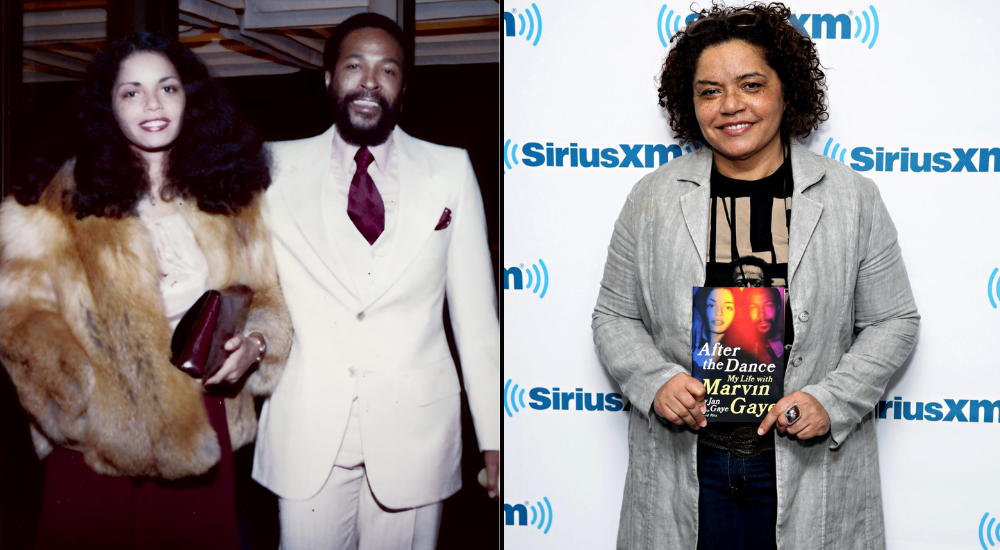
Jan Gaye lived a life inextricably linked to one of soul music’s most transcendent yet tormented figures. As the second wife of Marvin Gaye, she witnessed both the genius and the chaos behind the velvet voice that defined an era. After their turbulent marriage ended and Marvin’s tragic death in 1984, Jan rebuilt her world on her own terms—raising their children, authoring a groundbreaking memoir, and carving out a legacy of resilience and truth-telling. Though she passed away in December 2022 at age 66, her story continues to resonate in 2026 through ongoing memoir sales, family tributes, and the enduring power of her voice in music history.
Quick Facts
| Category | Details |
|---|---|
| Full Name | Janis Hunter Gaye (née Janis Hunter) |
| Born | January 5, 1956 |
| Died | December 3, 2022 (age 66) |
| Spouse | Marvin Gaye (married 1977–1981) |
| Children | Nona Gaye, Frankie Gaye |
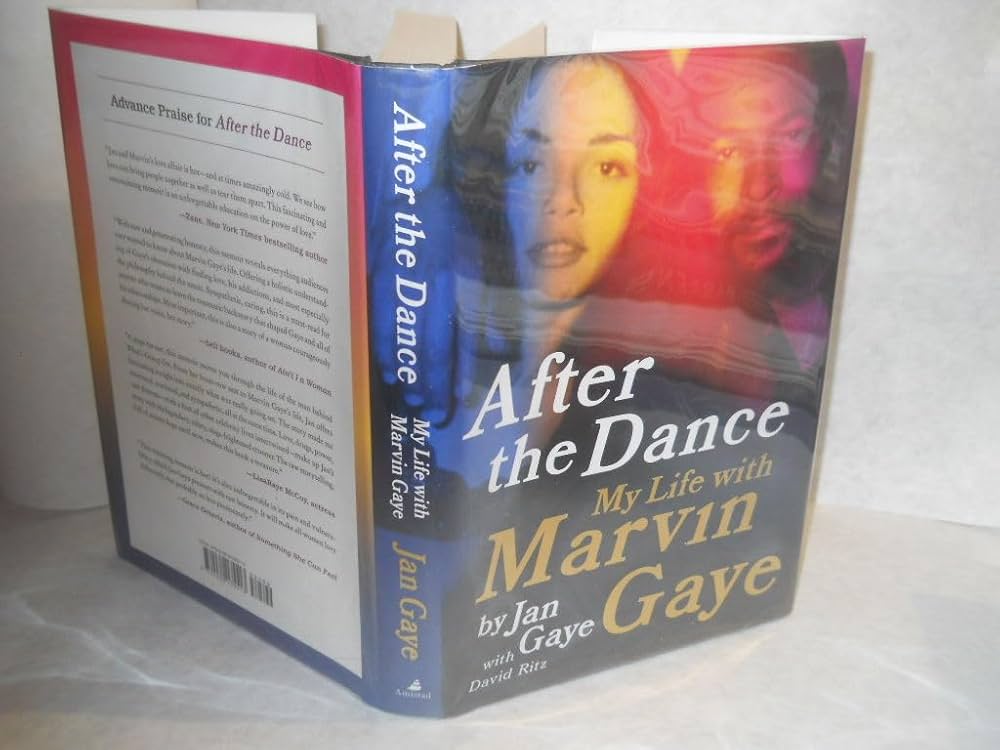
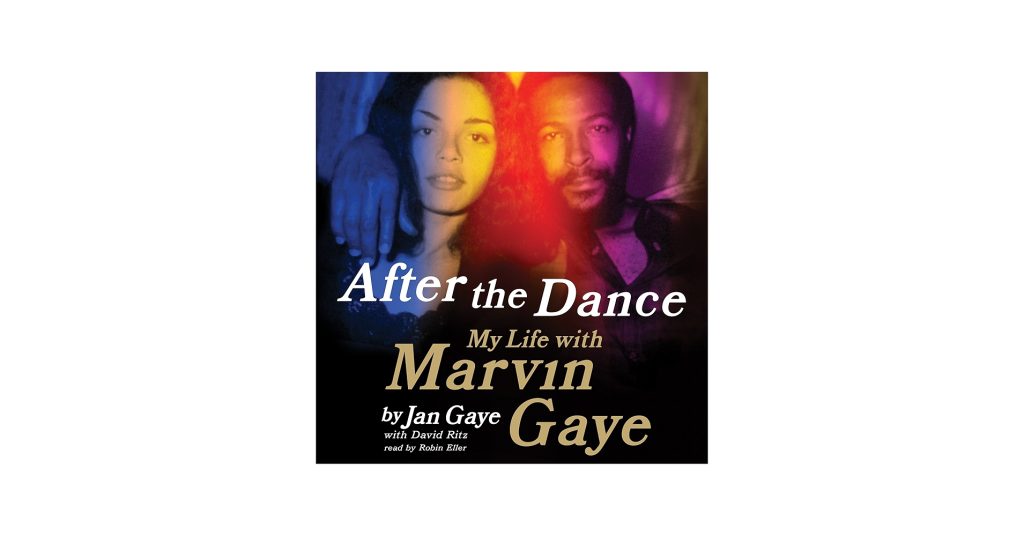
| Memoir | After the Dance: My Life with Marvin Gaye (2015, with David Ritz) |
| Notable Role | Muse, wife, author, and keeper of Motown-era truths |
| Estimated Net Worth | Modest six figures at time of passing (memoir royalties, settlements, family assets) |
| Legacy | Candid memoir, family musical lineage, advocacy through storytelling |
Jan Gaye’s Age and 2026 Life Overview Had she lived, Jan Gaye would have turned 70 in January 2026. Instead, her presence is felt through the lasting impact of her 2015 memoir and the continued success of her children—Nona, a singer and actress, and Frankie, who has carried forward elements of the family’s musical heritage. In 2026, discussions around Jan center on her role as both insider and survivor: the woman who loved Marvin Gaye at his most vulnerable and documented the price of that love with unflinching honesty.
Her story is no longer just personal; it has become part of the broader cultural reckoning with fame, addiction, domestic violence, and the silencing of women’s voices in Black music history. Reissues, podcast features, and family-led tributes keep her narrative alive, ensuring that “life after the King of Motown” continues to evolve.
Early Career in Music and Entertainment
Janis Hunter was just 17 when she met 34-year-old Marvin Gaye in 1973. Introduced during sessions for what would become Let’s Get It On, she quickly became his muse and partner. Their whirlwind romance produced two children—Nona in 1974 and Frankie in 1975—before they married in 1977 following Marvin’s long, contentious divorce from Anna Gordy.
Jan navigated the glittering yet volatile world of 1970s Motown and beyond. While never a chart-topping artist herself, she was immersed in the creative process, offering emotional support and inspiration during Marvin’s most prolific yet personally destructive period. Songs like “Jan” and the sensual intensity of I Want You reflected their intense bond. Her early “career” was less about solo ambition and more about survival and partnership within an industry that often consumed its women.
Memoir Launch and Publishing Success
In 2015, Jan Gaye broke her decades-long silence with After the Dance: My Life with Marvin Gaye, co-written with veteran music biographer David Ritz. The memoir offered an unprecedented look inside the final decade of Marvin’s life—his battles with cocaine addiction, paranoia, financial ruin, and the domestic violence that ultimately fractured their marriage.
Published by Amistad (an imprint of HarperCollins), the book arrived at a cultural moment hungry for honest reckonings. It debuted to significant media attention, with excerpts in major outlets and appearances that allowed Jan to reclaim her narrative after years of being defined solely as “Marvin Gaye’s wife.”
Sales Figures and Critical Reception
Exact sales figures remain private, but the memoir achieved strong niche success typical of well-publicized celebrity tell-alls—likely in the tens of thousands of copies, with sustained backlist sales driven by ongoing interest in Marvin Gaye’s catalog and estate. It performed particularly well in urban and music-history markets and benefited from anniversary-driven spikes around Marvin’s birthday and death date.
Critically, reception was largely positive for its raw honesty. The Los Angeles Review of Books praised it as a “riveting cautionary tale” that humanized both Jan and Marvin without excusing abuse. The Detroit News highlighted its vivid portrayal of a superstar’s inner conflicts. Some readers and critics noted its painful details, yet most agreed it filled a crucial gap: the perspective of the woman who lived through the myth. Book signings, including one in Harlem, drew devoted fans eager to thank Jan for her candor.
Post-Motown Professional Ventures and Business
After the 1981 divorce and Marvin’s 1984 death, Jan Gaye stepped away from the spotlight. She focused on raising Nona and Frankie while navigating the complex legal and financial aftermath of Marvin’s estate battles. Her post-Motown path was deliberately private—no major recording career or high-profile business launches—but she maintained quiet involvement in music-adjacent spaces, including occasional interviews and support for family projects.
Any business interests appear to have been modest and family-oriented: possible involvement in estate matters, archival work, or small-scale ventures that allowed financial independence without public scrutiny. Her resilience in rebuilding after financial and emotional turmoil became its own form of quiet entrepreneurship.
Public Speaking, Advocacy, and Media Work
The 2015 memoir tour marked Jan’s most visible public-speaking phase. She conducted interviews and signings that doubled as advocacy moments—highlighting the realities of domestic violence, addiction, and the particular pressures faced by women in the music industry. Her message was never sensationalist; it emphasized healing, accountability, and the complexity of loving a troubled genius.
Media appearances around the book’s release (NY Post, local radio, literary podcasts) positioned her as a thoughtful voice rather than a tabloid figure. Even after the initial publicity cycle, she occasionally contributed to documentaries and retrospectives, always prioritizing truth over spectacle.
Net Worth Breakdown and Asset Insights
Precise net-worth figures for Jan Gaye were never publicly disclosed and remain estimates at best. At the time of her passing in 2022, her estate likely fell in the modest six-figure range—derived from:
- Advances and royalties from After the Dance
- Possible settlements or ongoing claims related to Marvin’s estate (which faced decades of litigation)
- Family assets and support from her children’s successes
- Any private investments or real estate accumulated over the years
Unlike many celebrity spouses, Jan did not leverage her connection for ongoing commercial gain. Her financial story is one of survival and measured independence rather than ostentatious wealth—a testament to resilience in the face of industry exploitation and personal loss.
Legacy Projects and Archival Contributions
Jan Gaye’s most significant legacy project is the memoir itself. It stands as one of the few first-person accounts from inside Marvin Gaye’s inner circle during his most creative and destructive years. Family archives, including photos and stories shared by Nona and Frankie, have been enriched by her willingness to document the unvarnished truth.
In the years since publication, her contributions have supported broader cultural projects: reissues of Marvin’s later albums, documentaries exploring his life, and academic discussions about gender, power, and creativity in soul music. Her voice helped shift narratives from hagiography to nuanced humanity.
2026 Activities and Current Focus
With Jan’s passing in 2022, 2026 activities center on legacy stewardship rather than new personal projects. Expect continued memoir sales spikes around key anniversaries (Marvin’s 2024 death anniversary reflections carried into subsequent years), family-led tributes, and possible expanded audiobook or digital editions. Nona Gaye’s ongoing work in music and film, alongside Frankie’s contributions, keeps the family’s artistic flame alive.
Podcasts, music-history platforms, and women’s storytelling initiatives frequently revisit After the Dance as a touchstone text. In 2026, her influence appears in conversations about #MeToo-era reckonings in music, the ethics of muse narratives, and the long-term effects of trauma on artistic legacies.
Industry Recognition and Lifetime Achievements
Jan Gaye never sought industry awards, yet her memoir earned a different kind of recognition: it became required reading for anyone seeking the full story behind Marvin Gaye’s genius. Music journalists, biographers, and fans credit her with adding essential context to one of soul’s most mythologized figures.
Her lifetime achievement lies in courage—the decision, decades after the fact, to speak her truth in a world that preferred silence from women like her. That act of authorship has been cited in discussions of Black women’s autobiography, domestic violence survival narratives, and the hidden costs of fame.
Financial Resilience and Wealth-Building Strategies
Jan Gaye’s financial journey exemplifies quiet resilience. After a marriage marked by extravagance and instability, she rebuilt through deliberate privacy, strategic use of her story (via the memoir), and reliance on family networks. Rather than chasing quick monetization, she appears to have prioritized stability and legacy preservation—choices that protected her children’s inheritance and her own dignity.
Her approach offers lessons in post-celebrity financial health: leverage unique assets (personal history) responsibly, avoid overexposure, and focus on long-term security over short-term spectacle.
Enduring Influence in Music History
Jan Gaye’s influence extends far beyond her years with Marvin. She humanized a legend, gave voice to the women who loved and lost within the music industry’s shadows, and modeled the power of late-in-life truth-telling. In 2026, as new generations discover Marvin Gaye through streaming and social media, her memoir remains the essential companion text—the one that reveals the man behind the myth without destroying the music’s magic.
Her children carry forward the artistic gene, while her written words ensure that the full, complicated story of one of soul’s greatest eras is never reduced to highlight reels. Jan Gaye may no longer walk among us, but her voice—steady, unflinching, and finally her own—continues to echo through music history, reminding us that behind every king stands a woman who survived the crown.