


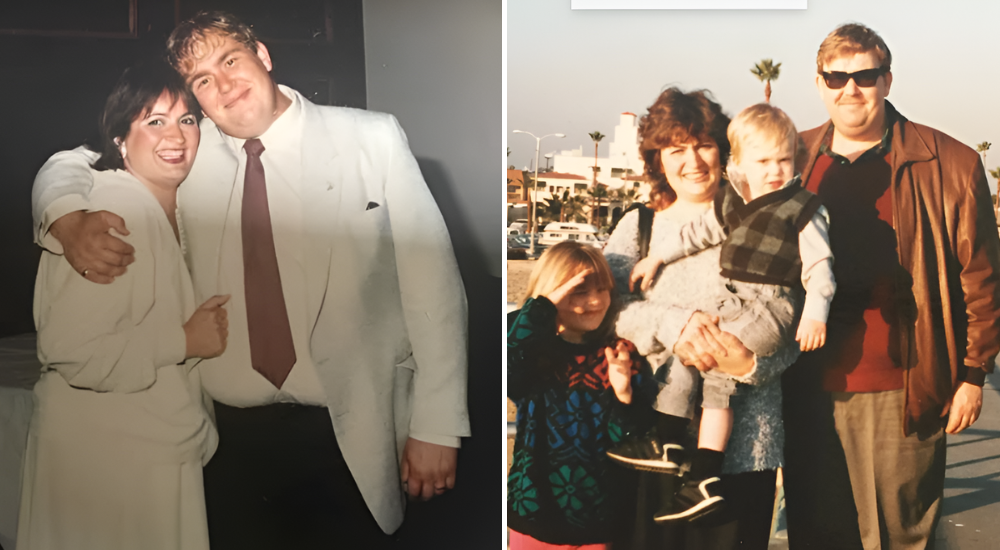
Quick Facts Box
| Category | Details |
|---|---|
| Full Name | Rosemary Margaret Hobor (Rose Candy) |
| Born | August 30, 1949, Toronto, Ontario, Canada |
| Education | Ontario College of Art and Design (OCAD), 1970–1973 – Material Arts, Ceramics, Painting |
| Mediums | Stoneware & porcelain ceramics; acrylic & oil paintings; drawings & garden photography |
| Notable Gallery | Las Laguna Art Gallery, Laguna Beach, CA |
| Studio Location | Los Angeles, California (40+ years) |
| Marriage | John Candy (1979–1994) |
| Children | Jennifer Candy (b. 1980) & Christopher Candy (b. 1984) |
| Website | rosecandyartist.com |
Rosemary Margaret Hobor’s Artistic Journey as a Ceramicist
Rosemary Margaret Hobor’s career as a ceramicist spans more than fifty years, beginning in the vibrant Toronto art scene of the early 1970s and maturing into a thoughtful, mature practice in Los Angeles. She works fluidly between functional pottery and sculptural forms, often marrying ceramic surfaces with painterly techniques such as black overglaze decoration drawn from her own garden sketches. This cross-pollination of disciplines gives her work a distinctive voice—earthy yet refined, intimate yet expansive.
Her journey reflects the broader evolution of studio ceramics in North America: from production pottery roots toward personal, expressive hand-building. Hobor has never chased trends; instead, she has steadily refined a vocabulary of form, texture, and color that feels both timeless and contemporary. Official Artist Website
Early Training and Influences in Fine Arts
Hobor’s formal training took place at the Ontario College of Art and Design (now OCAD University) from 1970 to 1973, where she specialized in material arts with a focus on ceramics, painting, and design. The college’s rigorous, hands-on curriculum emphasized both technical mastery and conceptual development—principles that continue to underpin her practice.
Early influences included the Canadian craft movement’s emphasis on functional beauty and the emerging studio pottery scene that valued individual expression over mass production. Exposure to painting and drawing at OCAD also shaped her later integration of two-dimensional mark-making onto three-dimensional ceramic surfaces. After graduation, she began exhibiting locally in Toronto, including at Toronto City Hall and the Canadian Guild of Crafts, establishing an early reputation for thoughtful, well-crafted work. OCAD University
Signature Ceramic Works and Exhibition History
Hobor’s signature pieces combine wheel-thrown or hand-built stoneware and porcelain forms with delicate surface treatments. Many of her bowls and vessels feature black overglaze drawings inspired by her garden—leaves, stems, and abstract botanical motifs that feel both spontaneous and deliberate. Her sculptural work explores organic, totemic shapes that sit comfortably between functional object and pure art.
Over the decades she has maintained a consistent exhibition presence, moving from early Toronto shows to a long-running studio/gallery practice in Santa Monica and representation at Las Laguna Art Gallery in Laguna Beach. Her work appears regularly in group exhibitions alongside other established West Coast ceramicists and painters, and she has cultivated a dedicated private collector base through direct studio sales and her website. Las Laguna Art Gallery

Iconic Pieces That Established Her Reputation
While Hobor does not court celebrity for individual objects, certain bodies of work have become touchstones for collectors. Her early Toronto production pieces demonstrated technical confidence, while later Los Angeles series—particularly those incorporating garden-derived overglaze imagery—reveal a more personal, meditative voice. Large-scale sculptural forms from the 1990s and 2000s show her willingness to push scale and abstraction, and recent porcelain bowls continue to refine the interplay between vessel and surface drawing that has become her hallmark.
Artistic Philosophy and Creative Process
Hobor describes her practice as “a process of discovery… a reality check to keep practicing and keep learning.” She works from direct observation—sketching in her garden, then translating those marks onto clay or canvas. This cyclical relationship between drawing, painting, and ceramics creates a unified aesthetic across media.
Her process is deliberately unhurried. She fires work in stoneware and porcelain at cone 6, allowing the materials to retain a sense of their geological origins while accepting the unpredictability of the kiln. Color, when used, is restrained and purposeful; texture and form carry equal weight. The result is work that feels grounded, contemplative, and quietly joyful—qualities that have sustained her through personal loss and professional evolution alike.
Major Shows, Galleries, and International Recognition
Although Hobor has not pursued an aggressive international gallery circuit, her work has reached collectors across North America through consistent West Coast exhibitions and word-of-mouth reputation. Key milestones include early recognition in Toronto, the establishment of her 26th Street Studio/Gallery in Santa Monica, and ongoing representation at Las Laguna Art Gallery.
Group exhibitions have placed her alongside peers in the contemporary ceramics community, and her website has extended her reach globally, allowing direct acquisition by collectors who value her distinctive blend of functionality and fine-art sensibility. While not a household name outside art circles, she enjoys the respect of fellow makers and a loyal following among those who appreciate thoughtful, well-crafted ceramic art. People Magazine Article
2026 Artistic Output and New Collections
In 2026, Rosemary Margaret Hobor continues to produce new work from her Los Angeles studios. Recent collections emphasize refined porcelain forms and garden-inspired overglaze drawings, alongside ongoing acrylic and oil paintings on canvas and linen. Sales through her website and social media channels remain active, with private collectors and repeat buyers sustaining a steady studio practice.
While she has not announced a major museum retrospective, her consistent output and gallery presence signal an artist still deeply engaged with her materials and still discovering new possibilities within familiar forms. New pieces often explore subtle shifts in scale, glaze chemistry, and compositional balance—small but meaningful evolutions that reward long-term followers.
Influence on Contemporary Ceramics Movement
Hobor’s influence lies less in headline-grabbing innovation and more in quiet, sustained example. She models a sustainable, lifelong studio practice that prioritizes material honesty, personal imagery, and technical refinement over spectacle. Her integration of drawing and painting into ceramic surfaces has helped normalize cross-disciplinary approaches within the field.
Younger ceramicists and students encounter her work through gallery shows, workshops, and online platforms, absorbing lessons about patience, observation, and the value of a personal visual language. In an era often dominated by conceptual or installation-based ceramics, Hobor’s commitment to the vessel and to hand-held scale offers a counterpoint that feels both traditional and refreshingly direct.
Teaching, Workshops, and Mentorship Contributions
Throughout her career, Hobor has shared her knowledge through visiting artist residencies, workshops, and informal mentorship. Her “Visiting Artist Painting Ceramic Workshop” model encourages participants to explore the intersection of two- and three-dimensional mark-making—an approach drawn directly from her own practice.
She has taught at various institutions and community programs, always emphasizing process over product and encouraging students to develop their own observational habits. Her generosity with technical knowledge and her modeling of a balanced, family-integrated creative life have made her a respected elder in West Coast ceramics circles.
Business Side: Gallery Representation and Sales Success
Hobor manages a modest but successful business operation centered on her website, direct studio sales, and gallery representation at Las Laguna Art Gallery. Pricing reflects both the labor-intensive nature of her process and the collector market for well-established studio ceramicists. Private commissions and repeat collectors form the backbone of her sales, supplemented by gallery exhibitions and online inquiries.
She has never pursued mass production or commercial licensing, choosing instead to maintain control over every piece that leaves her studio. This deliberate scale allows her to sustain a high standard of craftsmanship while enjoying the creative freedom that comes from not depending on high-volume output.
Enduring Impact of Rosemary Margaret Hobor’s Body of Work
Over five decades, Rosemary Margaret Hobor has built a coherent, deeply personal body of work that bridges functional ceramics and fine-art painting. Her pieces reside in private collections across North America, and her influence can be traced in the practices of younger artists who value material integrity and quiet observation. Beyond individual objects, she has modeled a way of being an artist—steadfast, curious, and grounded—that continues to inspire.
Her story also quietly demonstrates how a supportive partnership can amplify creative output. John Candy’s belief in her talent provided both emotional and practical stability during the years when many artists struggle to establish themselves. That foundation allowed Hobor to develop her voice without compromise, resulting in a legacy that honors both her marriage and her independent artistic identity. Hollywood Life Feature
Current Projects and Evolving Artistic Vision
As of 2026, Rosemary Margaret Hobor remains actively engaged in the studio, producing new ceramic and painted works while maintaining her long-standing gallery relationships and direct-to-collector sales. Her vision continues to evolve through small, deliberate experiments with form, surface, and color—always rooted in the garden observation and material honesty that have defined her career.
Future directions may include larger sculptural explorations or further integration of photographic imagery from her garden studies, yet the core impulse remains the same: to keep practicing, keep learning, and keep discovering what the materials and her own hand can reveal. For collectors and fellow artists, that steady, thoughtful evolution is itself the most compelling part of her story.
Rosemary Margaret Hobor’s life and work offer a powerful reminder that artistic significance is measured not only in headlines or auction records, but in decades of dedicated practice, genuine material engagement, and the quiet accumulation of a body of work that continues to speak across generations. Her journey—from OCAD student to seasoned Los Angeles studio artist—embodies the patience, resilience, and quiet joy that sustain a true creative life.
For the latest collections and exhibition information, visit rosecandyartist.com or Las Laguna Art Gallery in Laguna Beach, California. Rose Candy Official | People Magazine | Hollywood Life | Bio on Artist Site | Las Laguna Gallery | Instagram helllorose | John Candy Family Tribute
