


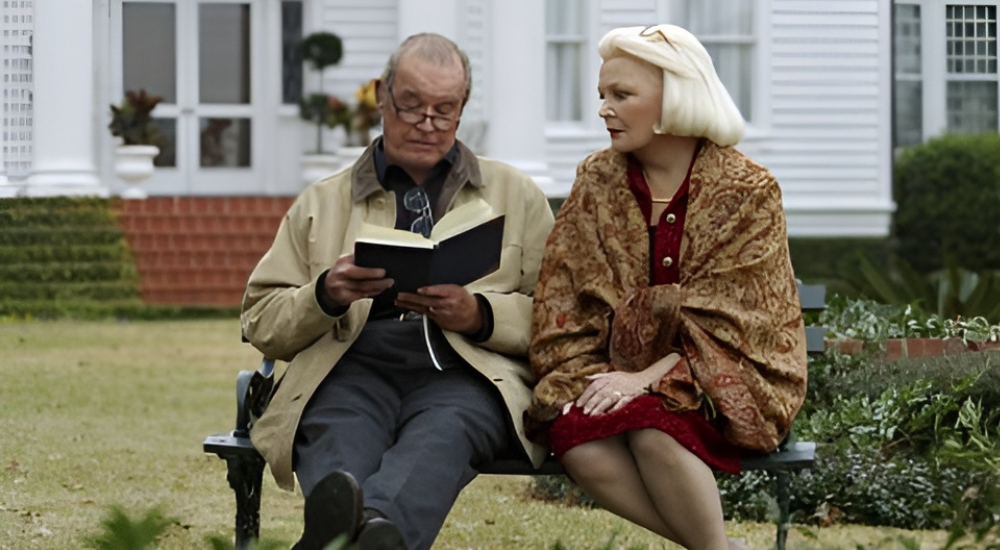
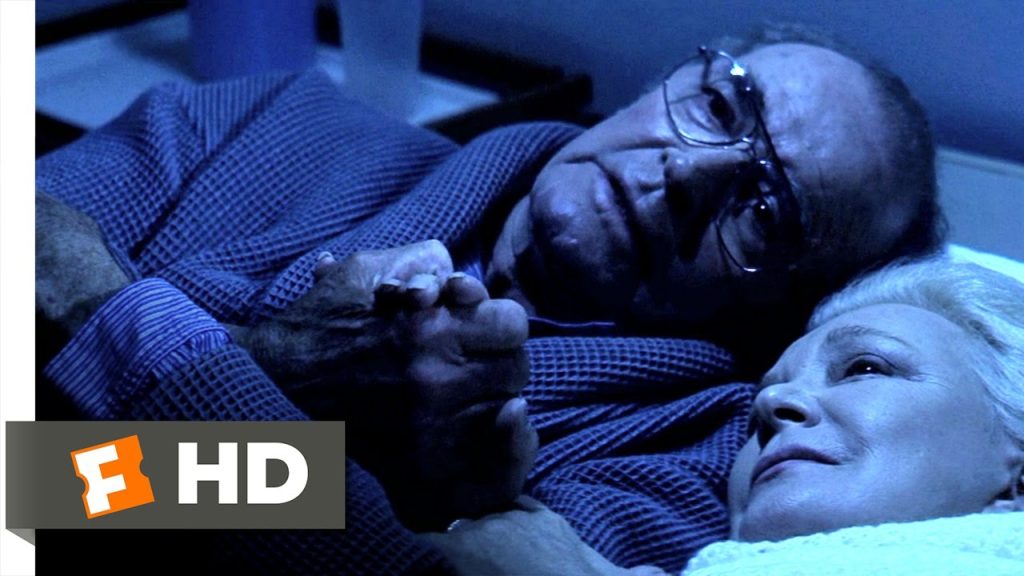
Few film conclusions have etched themselves into popular culture like the final moments of The Notebook. As elderly Noah reads from the weathered notebook one last time, Allie experiences a fleeting moment of clarity, recognizing the love of her life. They share a tender embrace, fall asleep holding hands, and pass away together in the night—peaceful, profound, and devastatingly romantic. This ending, both in Nicholas Sparks’ 1996 novel and Nick Cassavetes’ 2004 film adaptation, delivers an emotional gut-punch that continues to resonate two decades later. It is not merely a tear-jerking finale but a meditation on memory, enduring love, and the stories we tell to keep our most precious connections alive.
| Category | Details |
|---|---|
| Release Year | 2004 (film); 1996 (novel) |
| Director | Nick Cassavetes |
| Based On | Novel by Nicholas Sparks |
| Lead Cast | Ryan Gosling, Rachel McAdams, James Garner, Gena Rowlands |
| Worldwide Box Office | $118.3 million (on $29 million budget) |
| Runtime | 124 minutes |
| Key Themes | Enduring love, memory loss, storytelling, time |
| Cultural Status | Cult classic; 20th anniversary reappraisals in 2024 |
| Notable Scene | Nursing home reunion and peaceful passing |
Literary Origins: Nicholas Sparks’ Novel and Its Screen Adaptation
Nicholas Sparks wrote The Notebook in 1996 as a heartfelt exploration of love tested by time, class, and war. The novel frames the story through an elderly man reading to his wife in a nursing home, revealing their epic romance in flashbacks. The 2004 film, adapted by Jeremy Leven and Jan Sardi and directed by Nick Cassavetes, faithfully captures this dual-timeline structure while amplifying visual romance and emotional crescendos for the screen. Nicholas Sparks Official
Narrative Structure: Building the Story Toward Its Resolution
The film masterfully interweaves past and present, using the elderly Noah’s readings as a narrative anchor. Flashbacks chronicle young Noah and Allie’s passionate summer romance, their forced separation by class differences and World War II, and their eventual reunion. This structure builds inexorably toward the present-day nursing home scenes, where Allie’s dementia creates heartbreaking stakes. The Notebook Novel Summary
Cinematic Techniques: Directing the Climactic Sequences
Cassavetes employs warm, golden cinematography by Robert Fraisse to evoke nostalgia and timelessness, particularly in the climactic nursing home sequences. Soft lighting bathes the elderly couple in a gentle glow, contrasting the vibrant, rain-soaked passion of their youth. Close-ups capture subtle facial expressions—Gena Rowlands’ momentary spark of recognition is devastatingly authentic. Nick Cassavetes Interview
Character Arcs: Development Across Multiple Decades
Noah and Allie’s arcs span youthful idealism, wartime separation, middle-aged compromise, and elderly devotion. Young Noah (Gosling) evolves from a working-class dreamer into a steadfast partner who restores their dream house. Allie (McAdams) grows from a privileged, conflicted young woman into someone who chooses love over societal expectation. In old age, their roles poignantly reverse: Noah becomes the devoted caregiver reading their story, while Allie’s dementia strips away everything except, briefly, her love for him. This multi-decade development makes their final moments feel like the culmination of a lifetime of choosing each other. Ryan Gosling & Rachel McAdams Chemistry
Thematic Elements: Memory, Time, and Storytelling Devices
Memory serves as both antagonist and savior in The Notebook. Allie’s Alzheimer’s threatens to erase their shared history, yet the notebook itself becomes a vessel for remembrance. Time is portrayed as both enemy and ally—separating the lovers for years yet ultimately granting them a peaceful coda. Storytelling emerges as the ultimate act of love: Noah reads not just to jog Allie’s memory but to keep their bond alive even when her mind falters. These themes resonate universally, elevating the romance beyond melodrama into a reflection on what endures when everything else fades. Alzheimer’s Portrayal Analysis
:max_bytes(150000):strip_icc():focal(749x0:751x2)/the-notebook-8bd2fb70055c443097d2c285611dbd35.jpg)
Directorial Vision: Nick Cassavetes’ Approach to the Finale
Cassavetes, son of independent cinema legend John Cassavetes, brought an intimate, actor-focused sensibility to the project. He cast his mother, Gena Rowlands, as elderly Allie, adding layers of authenticity and emotional depth. For the finale, he prioritized quiet realism over spectacle—eschewing dramatic music swells in favor of subtle score cues and natural sounds of breathing and rustling sheets. Gena Rowlands on The Notebook
Audience Reception: Initial Reactions and Sustained Viewership Data
Upon release, critics gave mixed reviews (54% on Rotten Tomatoes), citing manipulative sentimentality, yet audiences embraced it wholeheartedly (A CinemaScore). The film became a cultural touchstone for date nights, girls’ nights, and tearful rewatches. Two decades later, it maintains strong streaming numbers and frequent 20th-anniversary screenings. Rotten Tomatoes Page
Box Office Performance and Cultural Reach: Commercial Metrics
Made for $29 million, The Notebook grossed $118.3 million worldwide, a sleeper hit that outperformed expectations and launched Ryan Gosling and Rachel McAdams into stardom. Its cultural footprint extends far beyond numbers: iconic rain kiss, quotable lines, and the enduring “notebook” metaphor for lasting love. Box Office Mojo
Book vs. Film Comparison: Differences in Narrative Closure
While faithful in spirit, the film diverges in key ways. The novel provides more detail on Noah and Allie’s post-reunion life, including children and everyday compromises, and frames the ending with slightly more ambiguity about their final moments. The movie condenses timelines, heightens dramatic tension (especially the class-conflict scenes), and delivers a more visually poetic, unambiguously peaceful death scene. Book vs Movie Differences
Technical Execution: Cinematography, Score, and Editing Choices
Robert Fraisse’s cinematography bathes the story in warm, nostalgic hues that shift subtly between eras. Aaron Zigman’s score—tender piano motifs building to orchestral swells—perfectly underscores the emotional arcs without overpowering the performances. Editor Alan Heim’s cross-cutting between young and old timelines creates seamless emotional continuity, making the final reunion feel like destiny fulfilled. These technical elements work in harmony to deliver a finale that is technically polished yet emotionally raw. IMDb The Notebook
2026 Perspective: Enduring Popularity and Analytical Reappraisals
Twenty-two years after release, The Notebook continues to thrive on streaming platforms and in cultural conversations. Recent reappraisals praise its handling of dementia and caregiving with sensitivity rare for mainstream romance. In an era of franchise fatigue, its straightforward emotional authenticity feels refreshing.
Film Studies Insights: Structural and Thematic Analysis of the Ending
From a film studies perspective, the ending exemplifies classical Hollywood emotional catharsis updated for contemporary audiences. The dual-timeline structure functions as both narrative device and thematic metaphor: the past informs the present, memory sustains identity, and love becomes an act of storytelling. The peaceful passing—free of melodrama yet profoundly moving—subverts expectations of tragic finales by offering grace instead of despair.
:max_bytes(150000):strip_icc():focal(999x0:1001x2)/the-notebook-8-6283b0588baa43c5b43f251f805ec637.jpg)
The Notebook’s final moments endure because they capture something essential about love: it is not just passion or promises, but the daily choice to remember and be remembered. In a world that often feels fleeting, Noah and Allie’s story offers reassurance that some bonds are strong enough to outlast time itself—and that a simple notebook, filled with memories, can become the most powerful legacy of all.
