

Quick Facts Box
| Category | Details |
|---|---|
| Initial Launch | March 25, 2013 (PC Open Beta) |
| Full Release Platforms | PC, PlayStation 4/5, Xbox One/Series, Nintendo Switch/Switch 2, iOS, Android |
| Current Status (2026) | 13+ years live, cross-platform play & save |
| Total Warframes | 60+ (including ~50 Prime variants) |
| Major Milestones | The Second Dream (2015), Plains of Eidolon (2017), Duviri Paradox (2023), Mobile launches (2024–2026) |
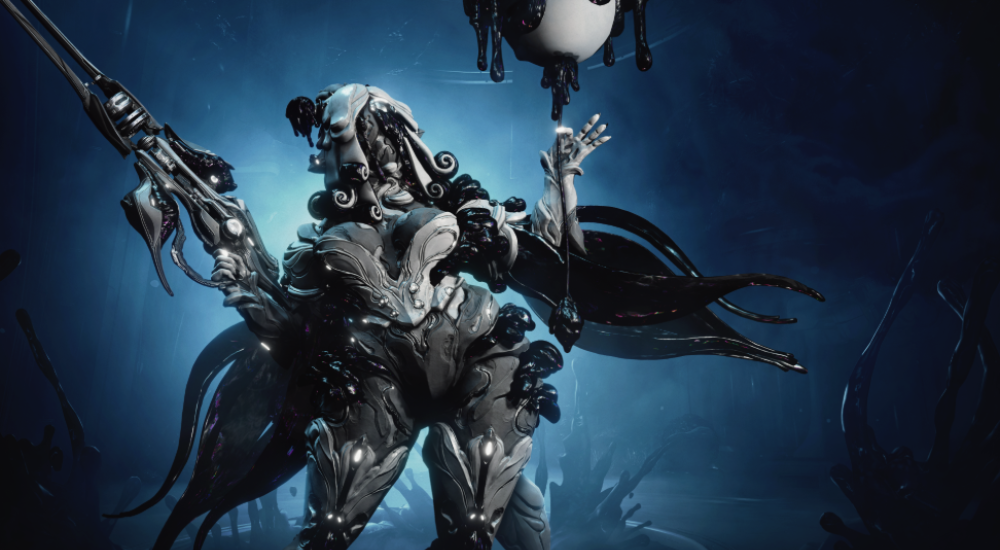
| Latest Major Update | Update 42: The Shadowgrapher (March 2026) – New Warframe Follie, new game mode, Adversary weapons |
| Community Peak | TennoCon annual celebration, millions of players across platforms |
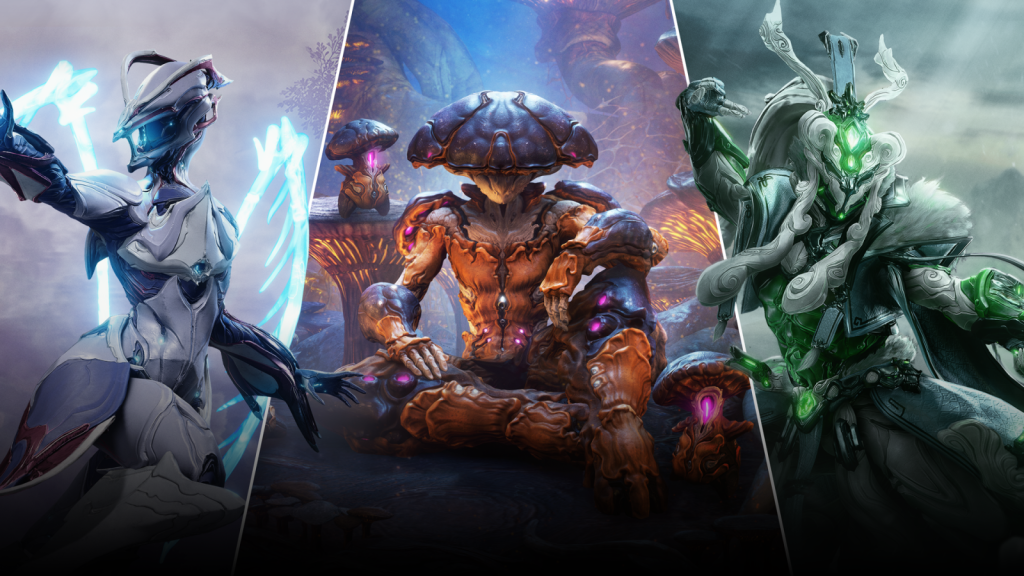
Warframe began as a modest free-to-play PC experiment in 2013 and evolved into one of the longest-running, most ambitious live-service games ever made. Over 13 years, Digital Extremes transformed a simple co-op looter-shooter into a narrative-rich universe featuring cinematic quests, open worlds, space combat, cross-platform play, and mobile ports—delivering consistent free content while building one of gaming’s most dedicated communities. This complete chronological timeline traces every major milestone from the 2013 open beta through the 2026 launches on Android and Nintendo Switch 2. Official Warframe Site
2013 Launch: The Origin System Awakens in Open Beta
Warframe entered open beta on PC on March 25, 2013, introducing players to the Origin System as agile Tenno warriors fighting the Grineer, Corpus, and Infested factions. Early versions featured core loop staples: bullet-jumping movement, modding, and co-op missions aboard the Orbiter. The game launched with a small roster of Warframes (Excalibur, Volt, Mag, Ember, Loki, Rhino, Trinity) and basic starchart progression.
The 2013 debut established Warframe’s signature fast-paced, parkour-heavy combat and free-to-play model with no pay-to-win barriers for core content. Players quickly embraced “Fashionframe” customization, laying the foundation for a community-driven culture that persists today. By year’s end, the game had already expanded with new Warframes like Nyx and Saryn, proving Digital Extremes’ commitment to rapid iteration. WARFRAME Wiki
2014–2015: Early Expansions and the Rise of Cinematic Quests
The years 2014–2015 marked Warframe’s shift from pure gameplay focus to deeper storytelling. Major updates added new tilesets, weapons, and the first cinematic quests that would redefine the game’s identity. PlayStation 4 launched in November 2013 (with PAL following shortly after), bringing the experience to consoles for the first time.
Key additions included Vor’s Prize (a tutorial overhaul) and The Archwing, which introduced space combat. The community grew steadily as new Warframes like Oberon and Valkyr joined the roster. These early years established the pattern of frequent, substantial free updates that would become Warframe’s hallmark. PlayStation Warframe Page
The Second Dream – A Narrative Turning Point
December 2015’s The Second Dream stands as one of the most pivotal updates in live-service history. This cinematic quest revealed the true nature of the Tenno as child operators controlling Warframes from the safety of the Orbiter, fundamentally altering player perception of the story. Emotional storytelling, stunning cutscenes, and the introduction of the Operator system created an unforgettable moment that still resonates with veterans. The update proved Warframe could deliver AAA-level narrative moments without charging players extra, boosting player retention and critical acclaim. The Second Dream Trailer
2016: The War Within and Deepened Tenno Lore
November 2016 brought The War Within, expanding on The Second Dream’s revelations with new Operator powers, the Kuva Fortress tileset, and deeper lore surrounding the Orokin and Tenno’s past. Players gained the ability to transfer consciousness between Warframes and Operators, adding strategic depth to combat.
This update also introduced the Alignment system (later refined) and set the stage for future story arcs. The War Within solidified Warframe’s reputation for meaningful, player-driven storytelling within a looter-shooter framework, while regular Prime Access releases (such as Vauban Prime) kept the monetization model sustainable. The War Within Trailer
2017: Plains of Eidolon – Warframe’s First Open World
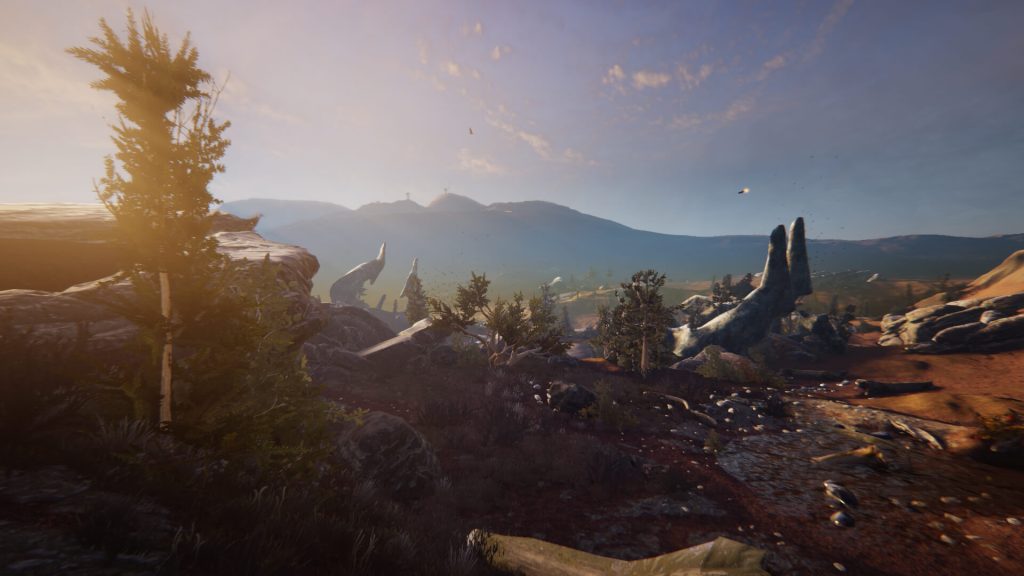
November 2017’s Plains of Eidolon transformed Warframe forever by adding its first open-world zone connected to the Cetus hub. Players could now hunt Eidolons at night, fish, mine, and engage in dynamic world events alongside traditional mission nodes. The update nearly doubled concurrent players and demonstrated that Warframe’s movement and combat systems scaled beautifully to larger environments.
Plains of Eidolon introduced modular Archwing weapons, the Operator’s first real combat role outside quests, and a vibrant new social hub. It proved open-world design could coexist with Warframe’s fast-paced mission structure, inspiring all future large-scale content. Plains of Eidolon Trailer
2018–2019: Fortuna, Railjack, and Major System Overhauls
Warframe’s ambition accelerated dramatically. November 2018’s Fortuna added a second open world (Orb Vallis) with the Solaris United faction, debt bonds, and the profit-taker Orb fight. The musical reveal at TennoCon became legendary, with the song “We All Lift Together” symbolizing community spirit.
2019’s Empyrean update (Railjack) introduced player-piloted capital ships for deep-space combat, boarding actions, and integrated ground missions. This ambitious system overhaul required years of iteration but ultimately delivered the space fantasy many players craved. Alongside the Sacrifice quest, which expanded the story of the Lotus and Umbra, these updates established Warframe as a standout live-service game known for continually evolving and reinventing itself. Fortuna Reveal
2020–2021: Cross-Platform Play and Next-Gen Console Ports
The COVID-19 era accelerated Warframe’s accessibility push. Cross-platform play launched in 2022 (with earlier testing), allowing PC, console, and eventually mobile players to squad together seamlessly. PlayStation 5 and Xbox Series X/S native ports arrived in late 2020 and April 2021 respectively, with enhanced visuals and performance.
These updates ensured Warframe remained relevant as hardware evolved while expanding its player base. The New War quest (2021–2022) delivered a massive story conclusion to the Lotus saga, featuring multiple playable perspectives and high-stakes cinematic moments that rivaled single-player blockbusters. Cross-Play Announcement
2022–2023: Duviri Paradox and Story-Driven Evolution
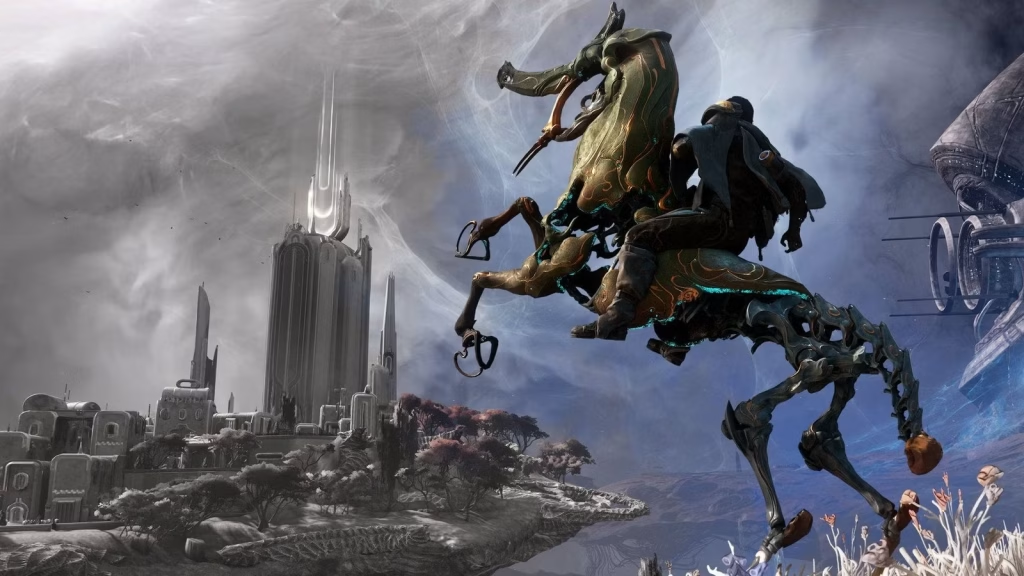
March 2023’s Duviri Paradox introduced one of Warframe’s most innovative systems: a roguelike open-world experience where players control the Drifter in an endless cycle of life and death, complete with Kaithe mounts and a new emotional narrative layer. The update allowed story quests to be played in any order, dramatically lowering barriers for new players while rewarding veterans with fresh perspectives.
Duviri’s success highlighted Digital Extremes’ willingness to experiment with genre-blending mechanics. Combined with ongoing Prime releases and quality-of-life improvements, it kept the 10-year-old game feeling fresh and positioned Warframe for its next decade of growth. Duviri Paradox Trailer
2024: iOS Launch and Mobile Frontier Expansion
February 20, 2024 marked Warframe’s arrival on iOS via a port developed by Blind Squirrel Games. The mobile version delivered the full Warframe experience—complete with cross-save and cross-play—on touch devices, proving the game’s movement and combat translated remarkably well to handheld play. iOS players immediately joined the global Tenno community, participating in events and earning exclusive rewards.
This launch validated years of cross-platform investment and opened Warframe to millions of new players who primarily game on phones and tablets. iOS Launch Trailer
2025–2026: New Warframes, Android Release, and Switch 2 Arrival
The 2025–2026 period represents Warframe’s most aggressive multi-platform expansion yet. New Warframes continued arriving at a steady pace, including Uriel (December 2025), Gyre Prime, Nokko, and the highly anticipated Follie—the Painter Warframe—in March 2026. Prime releases like Voruna Prime (April 2026) kept the monetization healthy while delivering premium cosmetics and power.
Latest Prime Releases and Update 42 Highlights
Update 42: The Shadowgrapher launched March 25–26, 2026, introducing Follie and her signature beam rifle Enkaus, a brand-new game mode set in the destroyed Vesper Relay, a remastered Awakening quest, and multiple new Adversary weapons (Kuva Ghoulsaw, Tenet Quanta, Coda Bubonico). Operation: Atramentum followed in early April, alongside quality-of-life additions like expanded Zariman decorations and new Operator/Drifter face options. The update celebrated the game’s 13th anniversary with special login rewards and community events.
Android launched globally on February 18, 2026 (following a Canadian soft launch on February 11), bringing full cross-play and cross-save to mobile. Players logging in by March 4 received the exclusive Cumulus Collection cosmetics. Nintendo Switch 2 received its native version on March 25, 2026, targeting 1080p/60fps with DLSS support, mouse controls, and optimized shaders—delivering the smoothest console experience yet. Update 42 Patch Notes
Platform Journey: From PC Beta to Global Multi-Platform Presence
Warframe’s platform evolution mirrors the best practices of modern live-service design. Starting exclusively on PC in 2013, it quickly expanded to PlayStation 4 (2013) and Xbox One (2014) to capture console audiences. The Nintendo Switch port in 2018 brought portable play, while 2020–2021 next-gen upgrades ensured visual fidelity kept pace with hardware advances.
The 2022 introduction of cross-platform play, followed by full cross-save in 2023–2024, unified the community across PC, consoles, and mobile. The 2024 iOS launch and 2026 Android/Switch 2 releases completed Warframe’s transformation into a truly platform-agnostic experience, allowing Tenno to continue their journey seamlessly whether at home or on the go. All Platforms
Enduring Impact: How Warframe Shaped Live-Service Gaming Over 13 Years
Few games have maintained quality and relevance for 13 years while remaining completely free-to-play at the core. Warframe pioneered the “constant content, no paywalls for progression” model that many live-service titles now emulate. Its movement system influenced an entire generation of action games, its modular fashion system created the “Fashionframe” phenomenon, and its narrative ambition showed that looter-shooters could deliver emotional, cinematic stories.
The game’s success stems from respecting player time and investment: every update adds meaningful systems rather than temporary events, and the community remains one of the most welcoming in gaming. As Warframe enters its 14th year with Android and Switch 2 fully integrated, its legacy as a blueprint for sustainable, player-first live-service design is secure. Whether you’re a veteran Tenno who remembers the original beta or a new player discovering the Origin System in 2026, Warframe’s timeline proves that passion, iteration, and community can keep a game alive—and thriving—for over a decade.
For the most up-to-date patch notes and Warframe news, visit the official site at warframe.com or the comprehensive WARFRAME Wiki. TennoCon | Latest News | WARFRAME Wiki
